Dr. D Answers Your Questions
I actually feel pretty good in my body right now. I'm eating better, taking tai chi classes, and trying to listen to my body more. It's not my perfect body, but I'm a work in progress. Then I look in the mirror. How do I combat mirror horror? Picture horror? It plummets my self-esteem.
DR. SHELOV:
Mirror horror is real. So is picture horror. The mad scramble to not be on the end of a group photo? We all know that move.
But I cannot overstate how important it is that you are feeling good in your own skin — that is the real work. When the mirror pulls you down, notice when it is better or worse. Did something else happen that set you off? Are you feeling bad about other things, and is that influencing your experience of self-view? How you feel is real — what you think you see may be distorted.
Remind yourself that sometimes our brains take longer to adjust than our bodies. Stay with the behaviors that make you feel good. Your brain will catch up.
Also — try this: pull up pictures from a few years ago, from a night when you remember feeling badly about how you looked. Do you still feel that way when you look at them now? Often, viewing pictures of our younger selves reveals just how critical we were — and still are — of ourselves. Reality test. Your brain is not always telling you the truth.
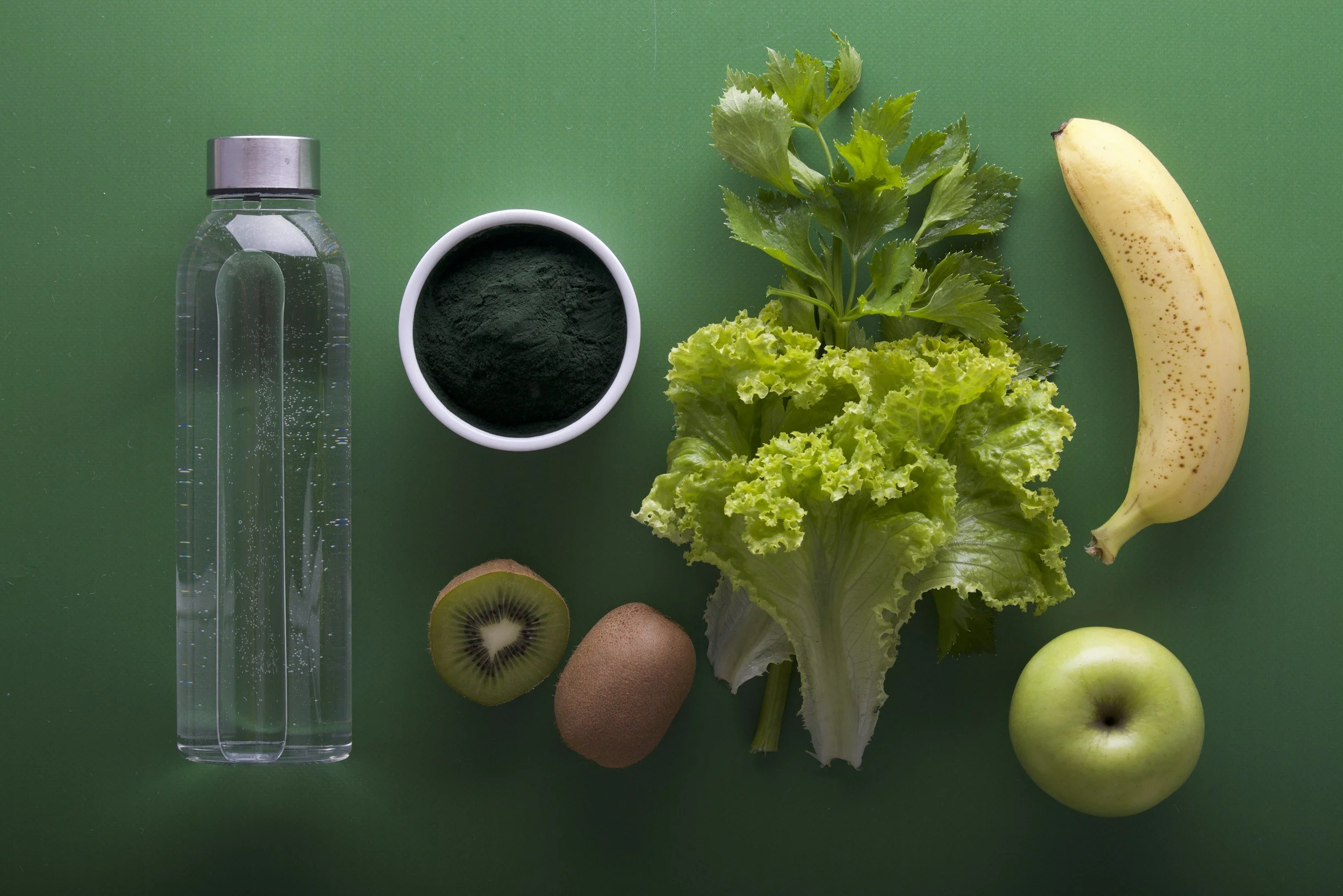
How many supplements are too many? Creatine, amino acids, vitamin D, omegas, turmeric, beet vitamins, a multi — the list goes on.
DR. SHELOV:
I had this problem myself. I opened my cabinet and could not make sense of everything I was taking — powders, pills, and who knows what else. So I went to a functional medicine doctor. She took my blood, told me exactly what I needed, and helped me find a higher-quality, lower-cost pharmacy.
I know it can feel like an expensive appointment — though there are far more affordable options now. But what I save by not ordering every supplement that catches my eye, and sticking to a clear regimen, more than evens out.
We are all unique — as are our physiological needs. Do the research on what makes sense for you specifically. Your supplements should be as individual as you are.
I am on a GLP-1, and I don't want to share that with anyone. I know that is my right, but I also feel guilty when people compliment my weight loss because they don't know the full story. How do I navigate this?
DR. SHELOV:
This is a hard one. When people say something to us, we feel compelled to justify or explain. People complimenting each other on weight loss is as ingrained in our culture as brushing our teeth.
The truth is — you don't need to say anything other than thank you. If you are feeling better about yourself, the compliment is not just about your weight loss. It is most likely about what you are exuding.
Take the compliment. If you want to share that you are on a GLP-1, go for it. If not, don't. You do not owe anyone an explanation.
I have had an eating disorder for over ten years and been treated in multiple inpatient and outpatient centers, as well as by multiple doctors. Nothing has helped or stuck. What do I do now? I'm exhausted and losing hope.
DR. SHELOV:
This question is hard — and this is often the path. It is not linear, and it is not fair, and I hear you.
I am going to ask you something difficult: Are you ready to get better? Do you want to get better?
If yes — listen to me. You can get better. You can heal. Start with one thing. Give your noise a name. Identify it. Separate from it. Make it smaller. Just start there.
If you are not sure — that is okay too. Ask yourself: what is keeping you stuck? What is your eating disorder giving you? And — is it actually working?
Message me with questions. I mean it.
I am exhausted from constantly thinking about food. What to eat, when to eat, food morality — all of it. What are the first few steps I can take to make it stop?
DR. SHELOV:
Buy a journal. Track your noise. Notice when it feels better or worse, louder or quieter.
Name your noise. What or who is it? Is it a person? A thing? An item of clothing? A commuter pass? Give it a form outside of yourself.
Eat. Three meals and two snacks. Every day.
Follow me for more.
And be kind to yourself. You are just a human being. You deserve your own self-compassion.
Have a question for Dr. Shelov? Submit it for a future newsletter.

Get to KnowDr. Danielle Shelov
Dr. Shelov's therapeutic approach emphasizes understanding individuals within the context of their families, childhood experiences, relationships, and larger systems as crucial to psychological treatment.
You Might Also Like